Leaders
Who are the modern Newton and Leibniz?
Newton and Leibniz were two rival minds at one moment of revolution. Three hundred years on, calculus is being extended and applied by people who are alive right now — in the mathematics of learning machines, in medicine, in the study of motion, and in the argument over what the subject is for. We are asking readers who they are.
How this works
- You nominate. A name, a sentence on why, and a link if you have one. No account, no voting, no leaderboard.
- We check the record. Anyone we describe is described from verified public sources, or with their own agreement. Professional work only — no personal detail, no rankings.
- We publish a shortlist each month with the reasons readers gave, and add well-documented names to Who's Who in calculus. If you are listed and would rather not be, say so and it comes down.
The question is deliberately open: it is not a vote for one person, and there is no single heir. The article explains what Newton and Leibniz actually argued about, and why a modern revolution would probably not look like a new symbol at all.
Nominate a modern Newton
One name is enough. A sentence on why is better. Nominations stay open, and every one is read.
Who's Who in calculus
The people already on the wall
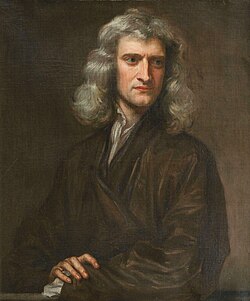
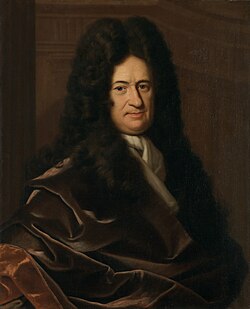
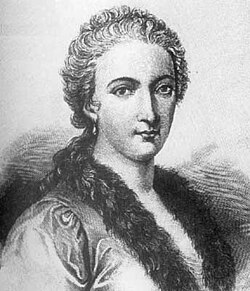
Twenty-nine profiles, from Newton and Leibniz to people working in calculus today — each with a named source, and a correction line if we have got something wrong.
Join free
Get the monthly shortlist
An occasional email when there is a piece worth your time, including the readers' shortlist when nominations close.
One email address is all we ask for. We never sell or share it.